
How to Find Your Visualizer: From First Tests to Long-Term Collaboration
My Client Story
I still remember my first attempts to find an interior visualizer. I browsed dozens of portfolios, and one question kept spinning in my head: why do some works instantly grab your attention, while others—technically perfect—leave you indifferent? Over time, I understood something important: great 3D visualization is not just a set of beautiful images. It’s a story told through details.
It Starts With a Portfolio, but the Truth Is in the Small Things
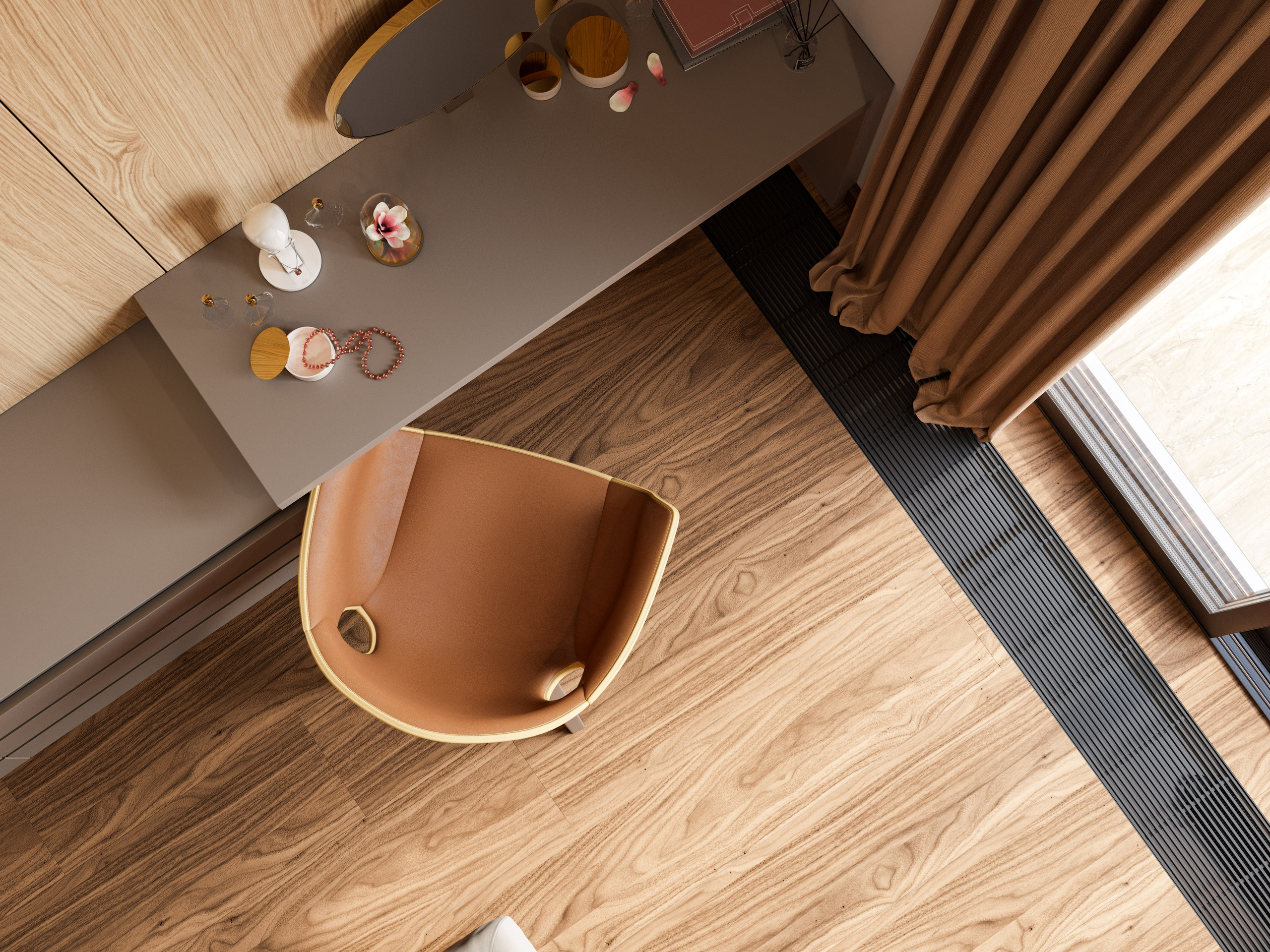
When you review a visualizer’s work, pay attention to how textures are shown. Can you almost feel the roughness of brick or the smoothness of polished marble? Do you notice how sunlight falls at different angles throughout the day? These nuances say a lot.
An experienced specialist doesn’t just create 3D visualizations—they bring them to life.
My first serious project required visualization in a loft style. I chose a visualizer with stunning modern interiors in their portfolio, but the result disappointed me. It turned out they had never worked with an industrial aesthetic before. Since then, I always ask to see examples in different styles—from classic to high-tech. It helps me evaluate how flexible the person’s creative thinking really is.
Communication Is a Key Sign of Professionalism
I once had a case where a visualizer with an impressive portfolio took the technical brief—and disappeared for a week. Then they returned with a perfect image… but not the one I needed. The reason was simple: they didn’t think it was necessary to ask clarifying questions.
Now I always pay attention to how the person communicates. Do they ask about finishing materials? Do they clarifying details about natural lighting? Do they want to know who will live in the space? These details show that the specialist is genuinely involved in the project, not just producing images.
Technical Details That Directly Affect the Result
Real professionals are interested not only in aesthetics but also in the technical side. My current 3D visualizer, for example, always asks about planned finishing materials and even about the direction the windows face. This allows them to build truly realistic scenes with correct lighting and textures.
As for pricing—I stopped focusing on saving money a long time ago. It’s better to pay more and get exactly what you need.
By the way, if a visualizer promises to deliver a complex project in just a couple of days—that’s a warning sign. High-quality work takes time, especially when the details matter.
From First Attempts to Long-Term Collaboration
Today, I work with two trusted specialists. One excels in commercial projects, the other is ideal for private interiors. Finding them took about a year—but it was absolutely worth it.
The perfect visualizer is not necessarily the one with the most impressive portfolio. It’s the one who understands your vision, shares responsibility for the final result, and becomes a reliable partner in creating projects you can truly be proud of.


