
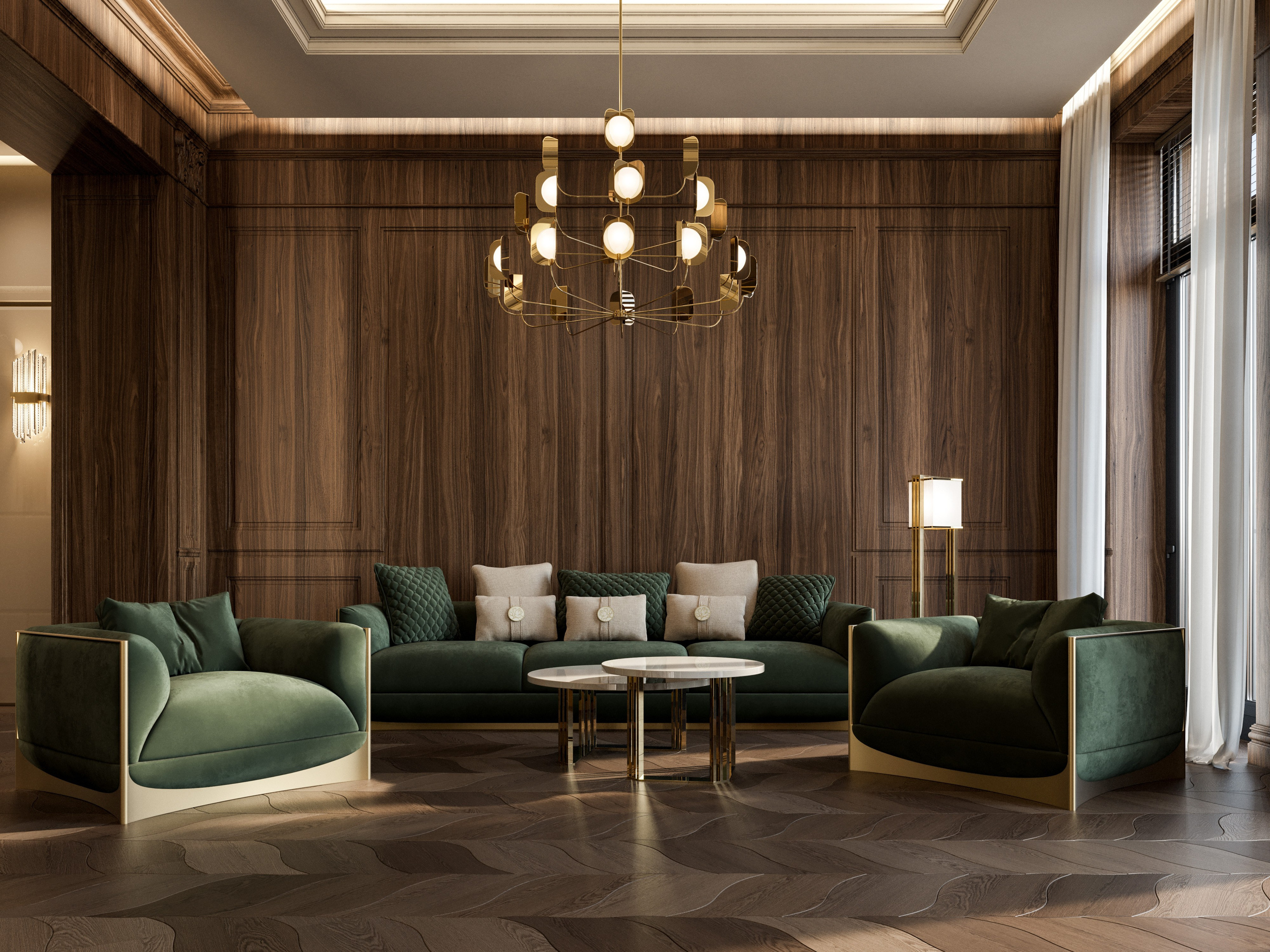
How digital tools are reshaping the profession and setting a new standard for quality
Today, an interior designer is no longer simply someone who creates aesthetically pleasing spaces. The profession has evolved into a multi-layered, technology-driven field that sits at the intersection of creativity, engineering, psychology, and digital production. In many ways, the tools that once defined interior design — sketches, collages, mood boards, and floor plans — have stepped aside to make room for something far more powerful: 3D interior visualization.
The shift has been profound. In the past, designers often relied on imagination and verbal persuasion. Clients were expected to “see” an idea in their minds, interpret technical drawings, and trust that everything would come together once the renovation began. But the modern design market works differently. Clients want clarity, precision, and predictability — not assumptions. And that’s exactly what interior renders deliver: a realistic preview of the space before the first wall is painted or the first tile is laid.
In other words, 3D visualization hasn’t just enhanced the industry — it has transformed its foundation.
How 3D Visualization Changed the Interior Design Profession
For the first time in the history of interior design, professionals gained a tool capable of closing the gap between concept and reality. Previously, the designer and the client often lived in two different visual worlds. Even when a project was explained in detail, the client’s imagination would naturally fill in the blanks — and sometimes in ways that had nothing to do with the designer’s actual intent.
3D interior visualization eliminates this mismatch.
It doesn’t simply show a shape or layout — it captures atmosphere. It demonstrates how light behaves across surfaces, how colors react to daylight, how fabric textures appear in different conditions, and how a room feels as a whole. This single change led to several major shifts inside the profession:
Design became more accurate
In a 3D model, everything is immediately visible: furniture proportions, spatial relationships, scale, and balance. Mistakes in layout, overcrowded zones, or uncomfortable circulation paths can be spotted and fixed early.
Communication became dramatically easier
Designers no longer need to explain everything verbally or rely on abstract references. Instead of describing the outcome, they show it.
Trust increased
Clients feel far more confident when they can visually experience their future home. A designer who works with realistic renders appears not just creative, but reliable — someone who takes full responsibility for the final result.
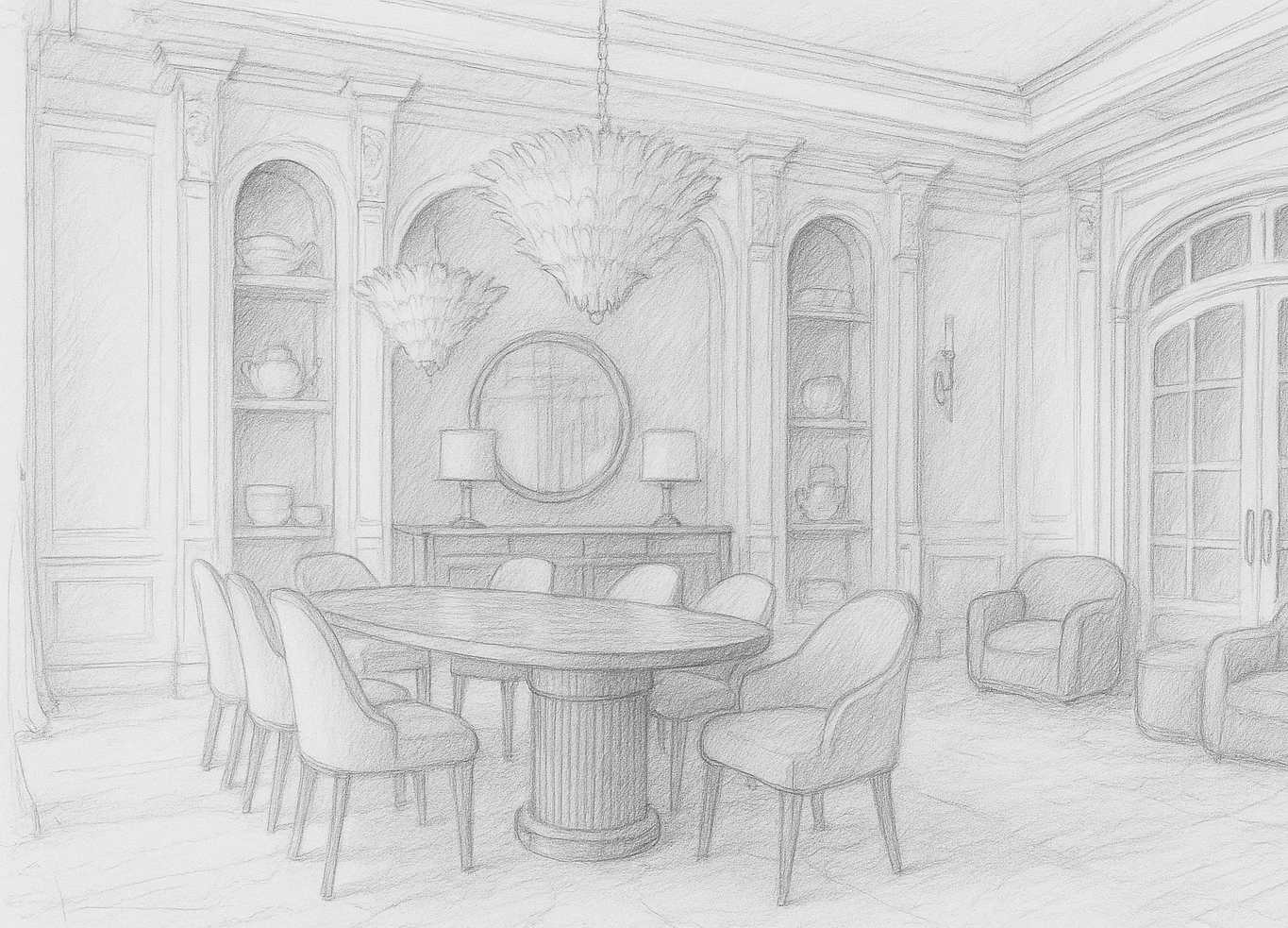
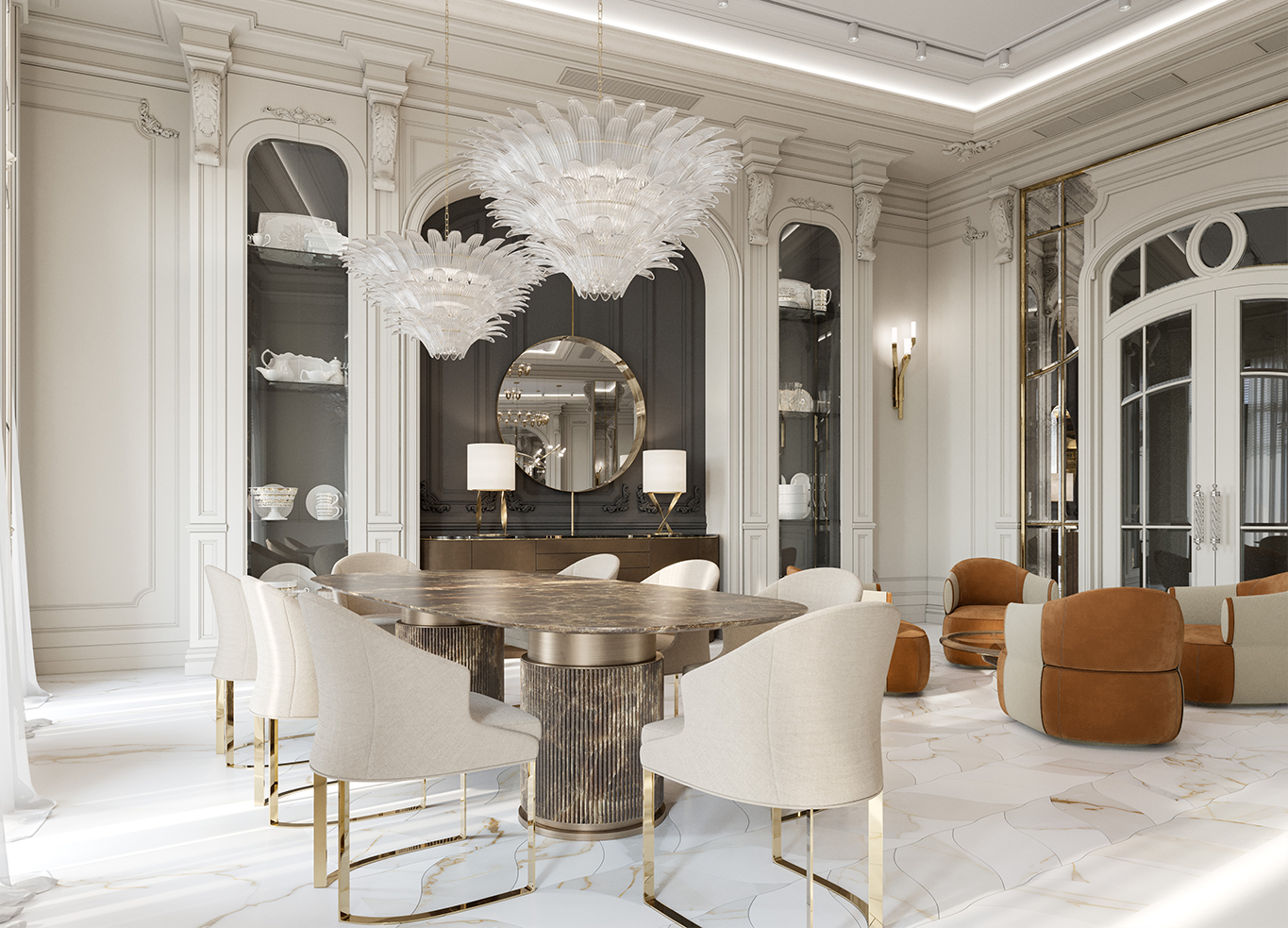
Sketch and 3D Visualization
Creativity in the Era of 3D Modeling
One of the most common misconceptions is that 3D visualization limits creativity. In reality, it does the opposite — it expands it.
A 3D model becomes a sandbox. Designers can experiment freely: swap materials, test bold color combinations, adjust layouts, and explore various lighting scenarios without risk. What once required expensive real-world trials can now be done digitally — quickly, efficiently, and with stunning realism.
This shift has made designers more confident and, in many cases, more daring. Concepts that might have felt too risky in the past — metallic panels, sculptural walls, dramatic ceiling details, or unconventional texture pairings — can be tested in a 3D scene and presented convincingly to the client.
Another powerful advantage is emotional control.
With professional interior renders, designers can shape a room’s mood. Sometimes a single adjustment — warmer light temperature, deeper shadows, softer textiles — completely changes how the space feels. This type of atmospheric precision simply isn’t possible with technical drawings alone.
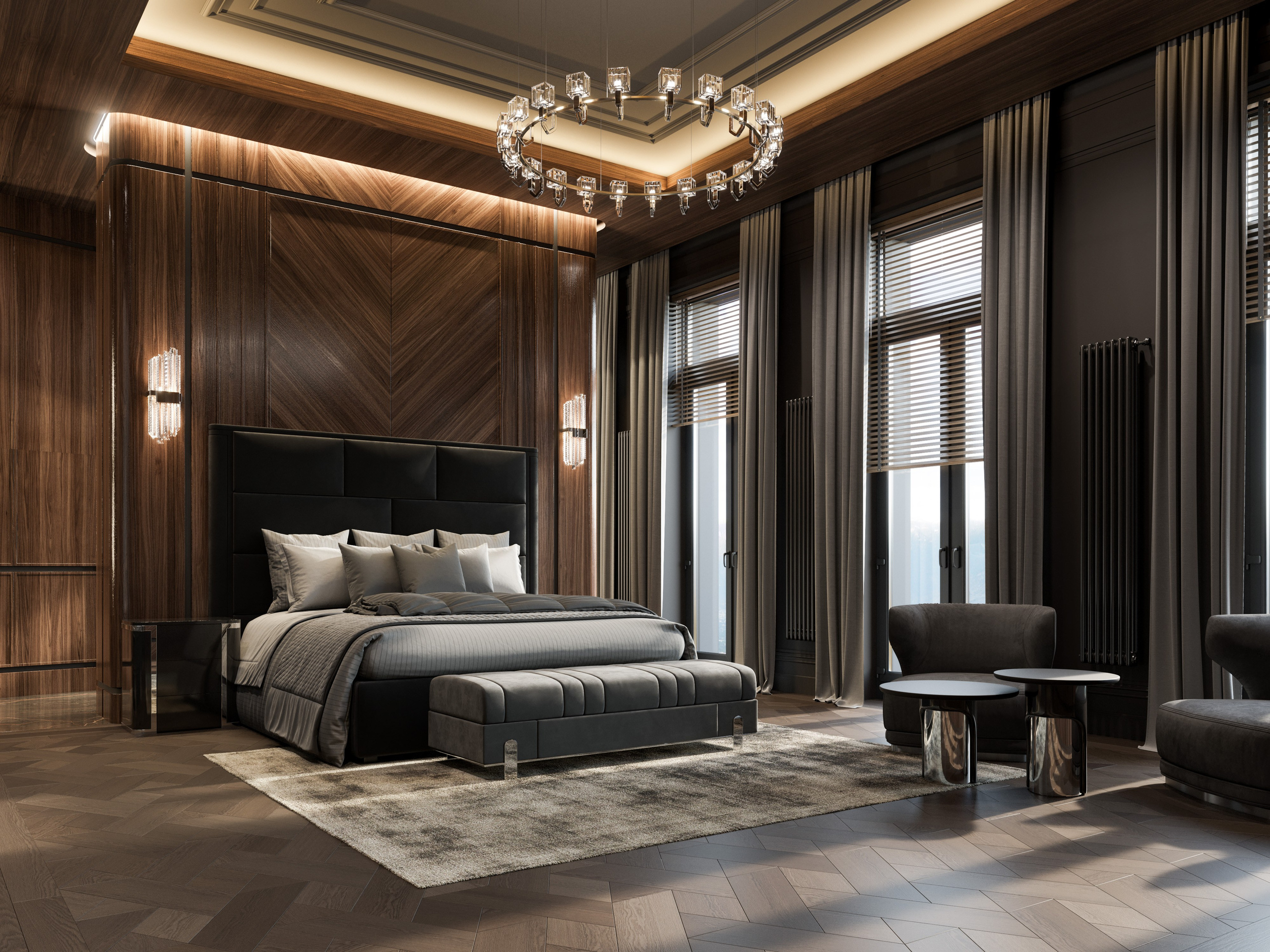
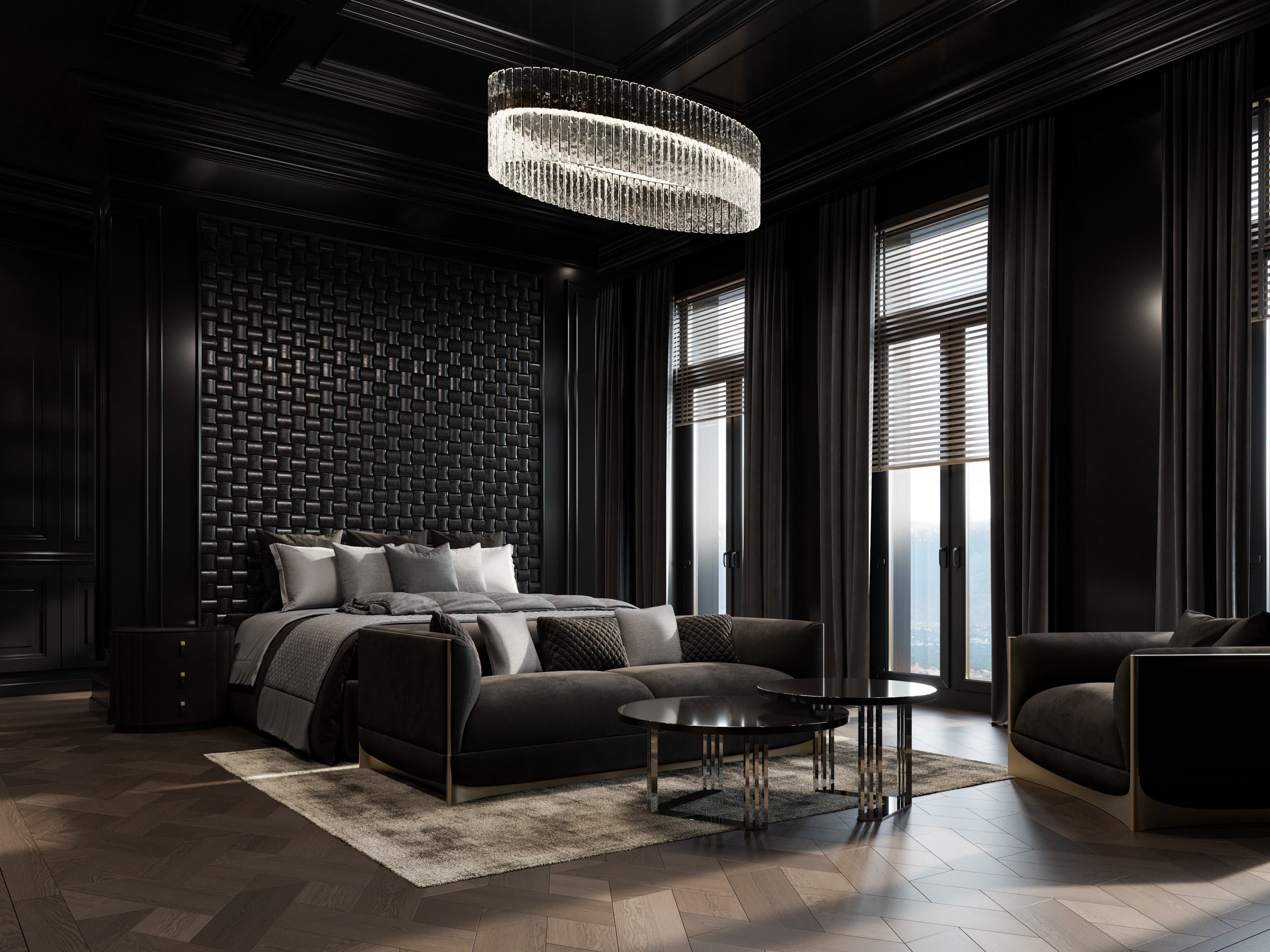
Visualization of the bedroom in two versions
When Digital Space Improves Real-World Results
For years, one of the biggest challenges in interior design was the difference between the project on paper and the final result on site. With high-quality 3D visualization, this issue has largely been solved — not because builders became perfect, but because the project is now so visually clear that it’s harder to misinterpret.
Photorealistic visualization improves implementation in several key ways:
-
Material realism
Clients see how finishes actually look: the depth of stone, the softness of fabric, the reflectivity of metal, or the warmth of wood. Decisions become informed rather than emotional guesses. -
Lighting accuracy
Lighting is one of the most complex elements in any design. 3D visualization allows designers to test both natural and artificial light — day, evening, and accent scenarios — before anything is installed. -
Fewer mistakes and revisions
When builders have clear visual guidance, errors decrease significantly. A strong render gives the entire team a shared reference point. -
Stronger compositional control
Furniture, decor, proportions, and focal points remain consistent through the build, because everyone can see the intended outcome.
As a result, visualization is no longer seen as an “extra.” It has become an essential part of the design process — a tool that improves not only presentation, but the final space itself.
3D Visualization as a Tool for Client Confidence
For most clients, renovation is stressful. It comes with uncertainty, financial pressure, emotional fatigue, and the constant fear of making expensive mistakes. Even well-informed clients — people who actively follow design trends and collect references — often feel overwhelmed when faced with dozens of decisions.
Traditional presentation formats such as mood boards, references, and technical drawings rarely eliminate these doubts. They can guide the direction of a project, but they don’t fully answer the client’s real question:
What will my space actually look like?
This is where 3D interior visualization changes everything.
When a client sees a realistic render of their own home — with their specific proportions, layout, and architectural features — the project immediately becomes tangible. It stops being an abstract concept and becomes something concrete and understandable.
That shift creates three key effects:
-
The fear of uncertainty disappears
Clients stop feeling like they’re moving forward blindly. They can see the destination before the journey begins. -
Decisions become logical rather than emotional guesses
Instead of trusting imagination or vague “feelings” clients approve a clear and visible result. -
The relationship with the designer becomes stronger
Visualization builds transparency. The designer shows, the client approves. Both parties see the same thing — and that clarity dramatically reduces conflict and hesitation.
How 3D Visualization Helps Designers Grow Their Career and Business
3D visualization changed the business side of interior design as much as it changed the creative process. In the past, the strongest portfolios were built slowly — through completed projects, professional photo shoots, and years of work. Today, designers can demonstrate their level before a project is even built.
High-quality interior renders allow designers to:
- showcase complex projects confidently
- build a recognizable personal style
- attract clients through visual content
- compete in design platforms and awards
- run advertising and social media promotion
- reach international clients
A strong render portfolio looks modern, premium, and highly professional — even for a designer who has not yet completed many physical projects. That alone can dramatically increase inquiry rates and conversion.
Social platforms reinforce this advantage. Instagram, Pinterest, Houzz, and Behance are visual-driven ecosystems — and photorealistic renders perform in those spaces almost as well as professional photography. A single compelling image can generate thousands of impressions and bring in clients without additional marketing effort.
Visualization has become more than a design tool.
It is now a marketing instrument.
Technologies That Are Reshaping the Profession Right Now
The pace of technology is accelerating, and interior design is evolving with it. Designers no longer work only in modeling software — they increasingly rely on AI-assisted tools, new rendering engines, and immersive presentation methods.
The most significant changes are happening in three areas:
AI as a creative assistant
Neural networks are not replacing designers or visualizers — they support early-stage ideation. AI helps generate style directions, mood references, and conceptual variations that designers can later transform into full 3D scenes.
Modern render engines and photorealism
Tools like Corona Renderer, V-Ray, Octane, Cycles, and others have pushed the industry into a new realism level. Materials now behave naturally: reflections feel real, textures have depth, and lighting behaves almost exactly as it does in real environments.
This is why today’s renders often look like photographs — sometimes indistinguishable from real images.
VR and interactive walkthroughs
The future of presentation is immersive. Clients can now “enter” their space before it exists: walk through rooms, test scale, evaluate ceiling height, and experience lighting in different times of day.
This brings a new level of understanding that traditional presentations simply can’t match.ние.
When Designers Work with a Professional Visualizer
Not every designer creates renders personally — and in professional studios, visualization is often a dedicated role. A skilled visualizer specializes in digital lighting, realistic textures, material behavior, and advanced rendering workflows.
When a designer works in partnership with a visualizer, the project often becomes richer and more refined:
The designer focuses on concept, spatial logic, and design direction.
The visualizer ensures the image is technically flawless and visually convincing.
This teamwork is especially valuable in complex projects: spaces with detailed architecture, high material standards, layered lighting systems, and heavy decor. In those cases, a professional visualization artist becomes essential — turning the designer’s intent into a powerful, photorealistic presentation.
A strong workflow usually looks like this:
- The designer creates layouts and collects references.
- The visualizer builds the 3D scene based on the design direction.
- The designer reviews and adjusts composition, palette, and details.
- The visualizer finalizes the render to photorealistic quality.
This structure allows both specialists to work at their best level: the designer doesn’t get trapped inside production and rendering, while the visualizer brings out the full potential of the image.
Myths vs Reality: What People Get Wrong About 3D Visualization
Despite how widely used visualization has become, many myths still surround it. Most of them come from misunderstanding what high-quality rendering actually offers.
Myth: “Renders are pretty but useless”
In reality, they prevent mistakes. Beauty is often simply the side effect of precision.
Myth: “Renders always differ from reality”
They only differ when the project isn’t followed. Strong visualization and good implementation usually match extremely closely.
Myth: “Visualization is too expensive”
What’s truly expensive is redesigning during renovation: replacing materials, rebuilding elements, and losing weeks in construction delays.
How 3D Visualization Became the New Industry Standard
Today, 3D interior visualization is no longer viewed as a “nice extra” — it has become a professional norm. A designer who can present a project through realistic renders is immediately perceived as more reliable, more modern, and more competent. Even if the project hasn’t been built yet, high-end interior renders create a sense of completeness and clarity that clients now expect by default.
This shift changed the market in a very simple way:
designers used to sell ideas — now they sell predictable outcomes.
And they do it before construction starts.
As a result, clients behave differently. They are more demanding, yes, but also calmer — because they clearly understand what they’re paying for. Visualization makes the process transparent. A designer doesn’t promise “something like this, ” but shows a real, visual scenario of the future space.
Interestingly, renders also became an internal quality-check tool for designers themselves. Sometimes a concept that feels perfect “in the mind” reveals weaknesses in a 3D scene: imbalance in proportions, awkward furniture scale, excessive decor, or material clashes. That’s why visualization is increasingly treated not just as a skill, but as part of professional responsibility — a way to prevent errors before they become real-world problems.
3D Modeling as a Space for Experimentation
One of the greatest advantages of 3D modeling is the freedom to experiment without risk.
For designers, this isn’t just about swapping finishes. It’s about having a flexible creative environment where they can refine decisions quickly and precisely: adjusting layouts, testing color harmony, exploring texture combinations, and refining spatial rhythm.
Most importantly, 3D visualization allows designers to work with something that is difficult to control on paper: lighting scenarios.
Lighting defines mood. It shapes the emotional tone of a space, affects depth, highlights materials, and changes perception dramatically. With 3D visualization, designers can test how the interior looks:
- in daylight,
- in warm evening lighting,
- under artificial ambient light,
- with accent and decorative lighting.
This is where design becomes almost cinematic — a form of atmosphere-building that goes beyond layout and furniture placement.
A New Level of Client Experience
Modern clients don’t just want pretty images — they want an experience. And designers respond to this expectation with advanced presentation formats: VR tours, interactive 3D walkthroughs, and immersive room previews.
VR presentations are especially powerful. Clients can “visit” their future home before it exists. They can walk through the hallway, feel the proportions of the room, approach the kitchen island, look into built-in niches, and sense the scale physically rather than guessing.
This creates a completely different kind of confidence. The client doesn’t simply see the project — they experience it. That removes a huge amount of doubt and creates a more stable, trusting designer–client relationship.
Why 3D Visualization Became Part of Professional Culture
Some professions evolve slowly. Interior design is not one of them.
3D visualization became part of the industry’s professional culture because it solves multiple major problems at once: it improves project quality, standardizes communication, and reduces risk for everyone involved. Most importantly, it creates a shared visual reference between designers, clients, builders, and suppliers.
In a way, visualization has made the industry more mature. It reduced ambiguity. It helped prevent conflicts. It turned interior design into a process based on clear vision rather than subjective interpretation.
Designers who work confidently with 3D visualization aren’t simply adapting to trends — they are shaping the future of the profession.
The Visualizer’s Role in Today’s Industry
As rendering technology evolved, the role of a visualizer changed dramatically. Today, a professional visualization artist is not a “secondary” specialist — they are a key part of the interior design ecosystem.
A strong visualizer is:
- a lighting artist,
- a technical production specialist,
- a 3D modeler,
- a material and PBR texture expert,
- a composition-driven visual storyteller.
The relationship between a designer and a visualizer is similar to the relationship between a director and a cinematographer. One creates the concept; the other makes it visible, convincing, and emotionally impactful.
That is why long-term designer–visualizer collaborations are becoming more common — especially in high-end projects where visual quality influences buying decisions and defines the perceived value of the designer’s service.
Emotion as a Design Tool
Interior design is not only about materials, functionality, and floor plans. It’s also about emotion.
Modern 3D interior visualization gives designers the ability to work with emotion deliberately and precisely. It allows them to show how a space feels — whether it is warm or cool, airy or grounded, minimal or rich, quiet or expressive.
Words can’t capture this as clearly as an image can.
In fact, visualization turns design into a form of storytelling: through light, shadow, textures, composition, and detail. Clients rarely purchase “square meters.” They purchase a mood — a lifestyle, a sense of comfort, and a promise of quality.
Renders help deliver that promise without distortion.
Conclusion: 3D Visualization as the Foundation of Modern Interior Design
3D interior visualization has gone from an optional service to a fundamental part of the profession. It became what technical drawings are to architecture — a core tool without which interior design loses accuracy, clarity, and reliability.
It affects everything:
- the design process,
- creativity,
- client relationships,
- implementation quality,
- marketing,
- and professional growth.
Visualization made design more predictable and renovation more calm. Designers gained the ability to build spaces before construction begins, while clients gained the ability to see and approve results with confidence.
This is the new stage of professional evolution — and it is only beginning. Tools will become faster. Realism will become stronger. Interactive experiences will grow deeper.
But the principle will remain the same:
Designers create the future.
And 3D visualization makes that future visible.


